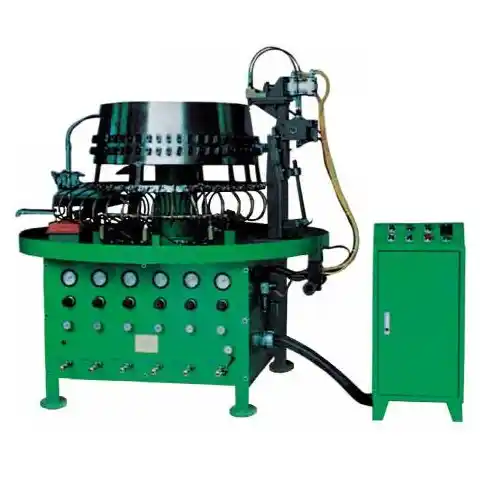
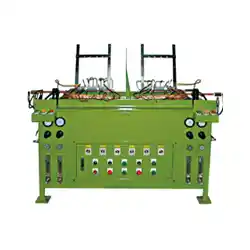
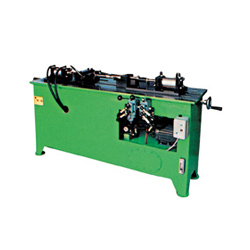
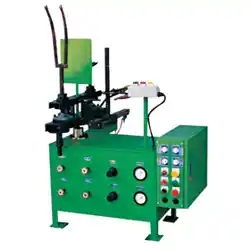
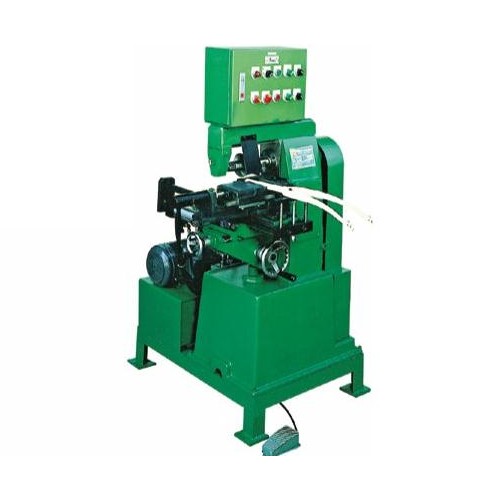
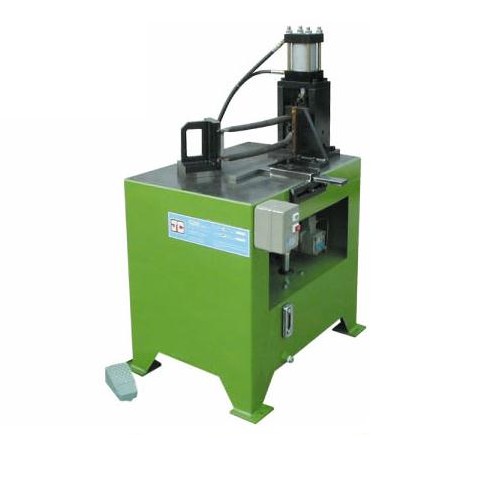
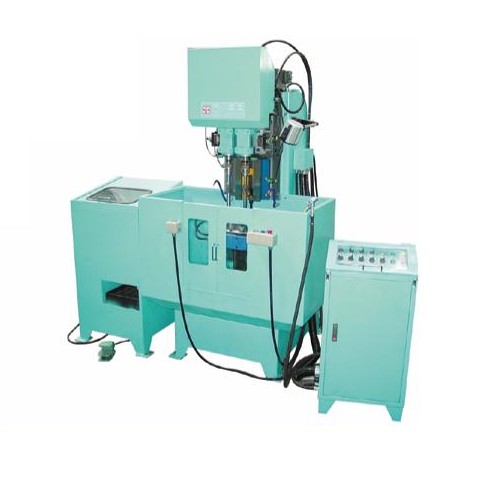
Brazing and welding fork assembly welding equipment
Brazed Front Fork Assembly Lines in Bicycle Manufacturing
- Used for steel forks and suspension fork production
- Combines welding, drilling, machining, bending, and straightening processes
- Improves production flow structure and process control
- Equipment selection affects fork strength, appearance, and accuracy
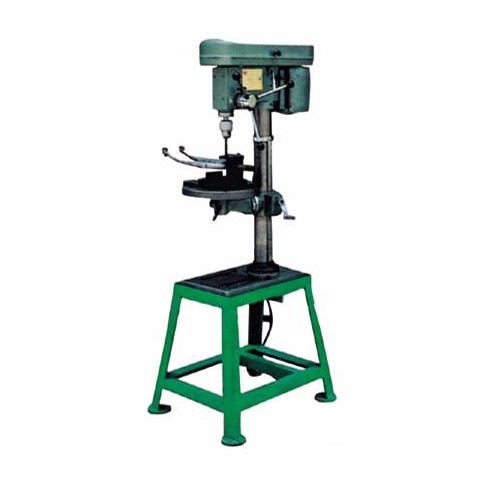
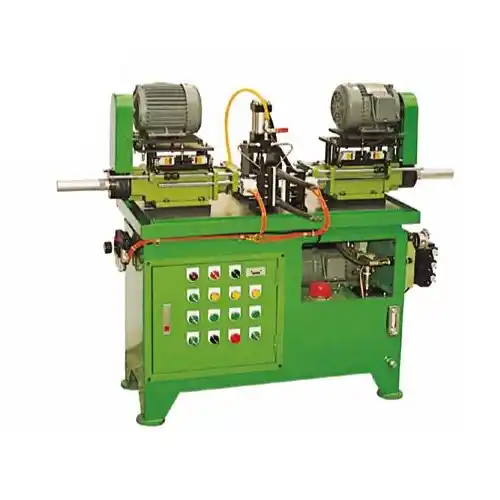
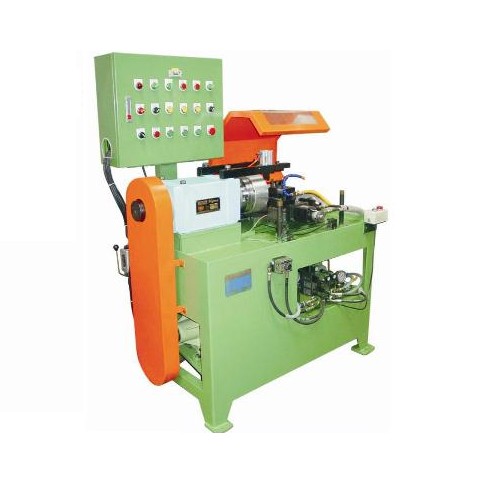
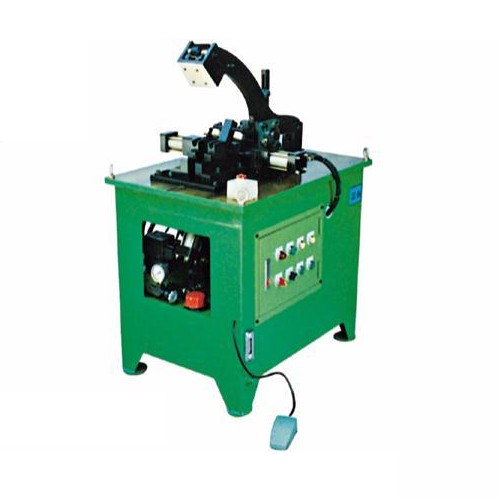
- Includes welding equipment machine, drilling machines, and correction tools
FAQ – Common Questions from Fork Manufacturers
1. Difference Between Brazed Assembly Equipment and Basic Welding Jig
- Basic welding jig mainly provides positioning support
- Weld quality depends more on operator skill in basic setups
- Brazed assembly equipment includes controlled clamping and welding functions
- Ensures repeatable welding conditions for better consistency
- Reduces dependency on individual operator experience
2. When to Upgrade to an Automatic Drilling Machine
- Order volume for fixed-spec forks increases
- Manual drilling becomes a production bottleneck
- Difficulty maintaining consistent hole distance and angle
- After upgrade, jigs and parameter settings improve repeatability
3. Difference Between Brazed Front Fork Straightening Machine and General Type
- General straightening machine handles minor deformation only
- Brazed type handles torsion and deformation after brazing
- Provides larger adjustment range for batch correction
- Improves speed and consistency with dedicated fixtures
4. How One Line Handles Steel Forks and Suspension Forks
- Steel forks use brazed assembly, welding, bending, and straightening processes
- Shared stations include drilling machines and some straightening equipment
- Suspension forks require additional reaming and fork leg machining stations
- Line design balances shared equipment and dedicated stations
- Maintains stability while supporting multiple fork types