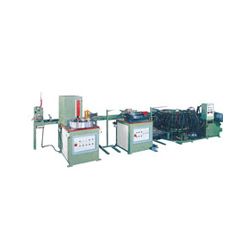
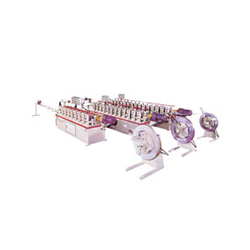
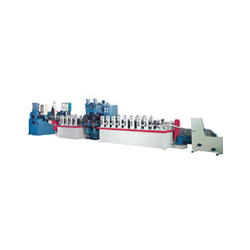
Metal sheet roll forming machines and locomotives
Who Uses Metal Sheet Roll Forming Machines?
- Bicycle and motorcycle frame and component factories for tube, frame, fork, and rim production
- Metal sheet and tube processing plants handling high-volume forming work
- R&D teams developing new frame designs and special tube geometries
- Engineering teams working on rim roundness control and forming efficiency
- Supports both standard production and special geometry development
Plate Rolling Machines – Forming Round Tubes from Sheet
- Used to roll flat metal sheets into round or near-round sections
- Formed sections can be welded into frame or fork tubes
- Supports structural component manufacturing for bicycles and motorcycles
Typical Applications of Plate Rolling Machines
- Producing round tubes for bicycle and motorcycle frames
- Forming fork legs and front-end structural components
- Creating circular or near-circular profiles with controlled roundness
Metal Sheet Roll Forming Machines – Multi-Stage Roller Forming Machine Lines
- Uses multiple roller stands to gradually shape sheet material
- Each stand performs incremental forming steps
- Suitable for continuous production of complex profiles
Typical Applications of Roll Forming Machines
- Producing curved or profiled tubes for special frame designs
- Forming non-round or multi-stage tube sections for stiffness and styling
- Testing different profile shapes for structural and design evaluation
Motorcycle Rim Production Lines – Integrating Plate Rolling and Roll Forming
- Combines plate rolling and roll forming into a unified production line
- Supports multiple rim diameters and profile variations
- Allows shared equipment usage across different production models
- Improves flexibility in rim manufacturing planning
Why Metal Sheet Roll Forming and Plate Rolling Matter in Bicycle and Motorcycle Production
- Improves tube and rim geometry control before welding or assembly
- Enhances roundness and profile accuracy for better alignment
- Reduces manual adjustment and dependence on operator experience
- Supports flexible roller forming machine setups for new product development
- Provides repeatable forming processes for both standard and experimental designs