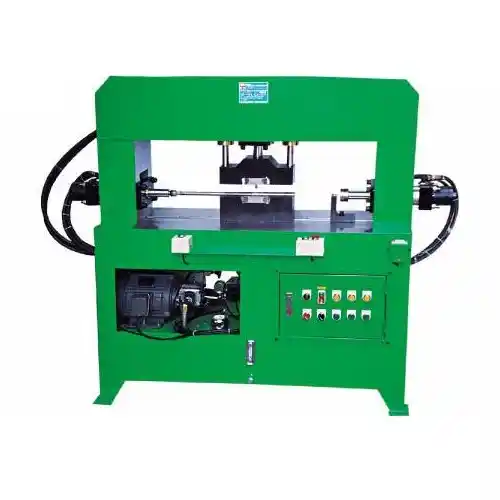
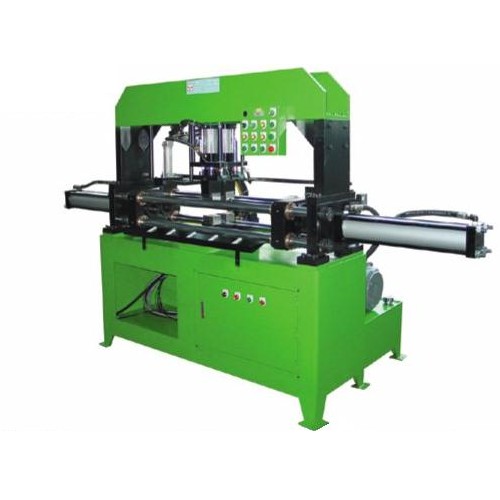
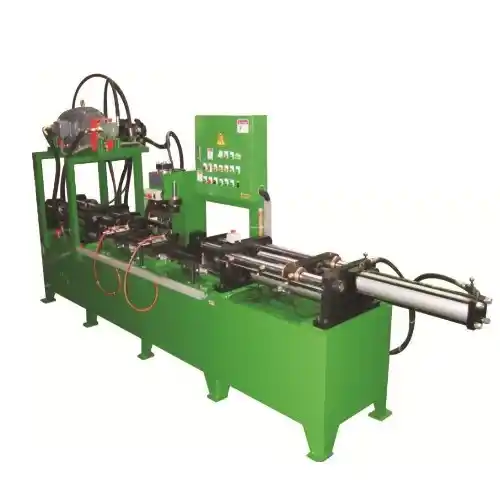
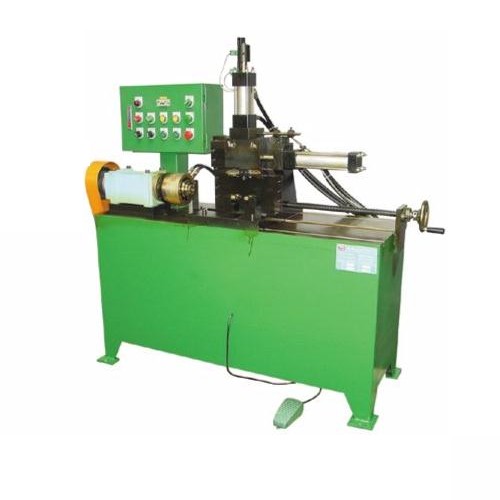
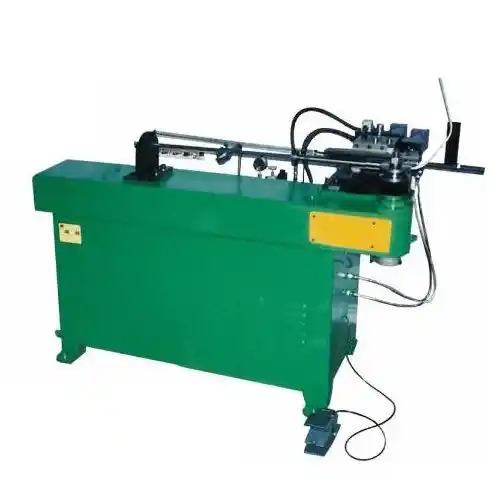
Rider placed production equipment
Handlebar Production and Rider Placed Manufacturing Equipment
- Handles rider comfort, control, and safety in bicycle design
- Covers tube cutting, bending, bulging, shrinking, and knurling processes
- Controls geometry, stiffness, and grip stability of handlebars
- Supports modern handlebar production lines with multiple machine types
- Ensures consistent interaction between rider hands and bicycle structure
FAQ – Rider Placed Production Equipment
1. What Is Rider Placed Production Equipment for Handlebars?
- Includes machines used in handlebar manufacturing processes
- Covers tube cutting, bulging, bending, shrinking, and knurling
- Defines how rider contact areas are formed and finished
- Supports full process from raw tube to finished handlebar
2. Why Is a Bulging Machine Important in Handlebar Production?
- Forms thicker or larger diameter zones at stem and grip areas
- Reduces need for heavy tubing across the entire handlebar
- Improves clamping strength and structural durability
- Supports ergonomic handlebar design flexibility
3. What Does a Tube Shrinking Machine Do in the Handlebar Line?
- Adjusts tube diameter and wall distribution
- Applied at handlebar ends or specific sections
- Helps match grip and control component requirements
- Fine-tunes stiffness and weight within the same tube family
4. Can One Handlebar Line Produce Both Road and MTB Handlebars?
- Yes, with proper fixtures and bending programs
- Supports drop bars, flat bars, and riser bars
- Uses tooling adjustments on bulging and shrinking machines
- Line planning is based on product mix and annual output
5. When Should a Factory Add Knurling to the Handlebar Process?
- Needed when stem clamping torque is high (MTB or e-bike use)
- Helps prevent handlebar rotation or slipping under load
- Improves consistency of clamping behavior across products
- Supports both safety testing and real-world riding conditions