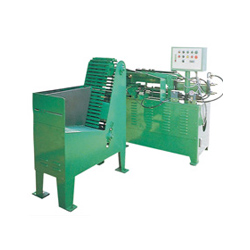
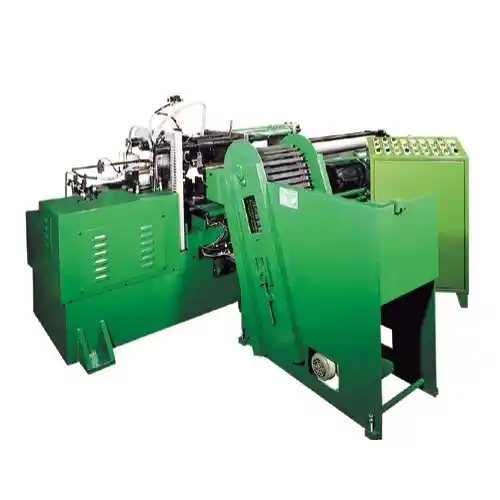
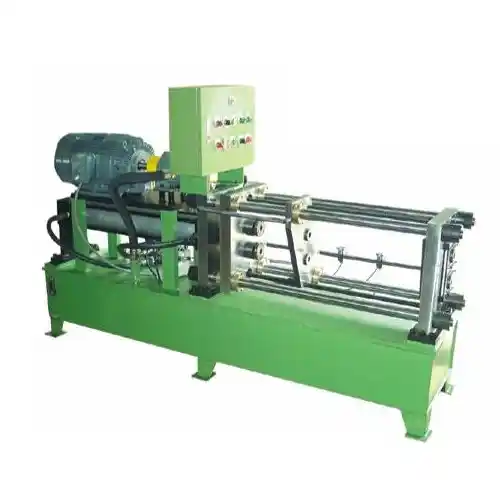
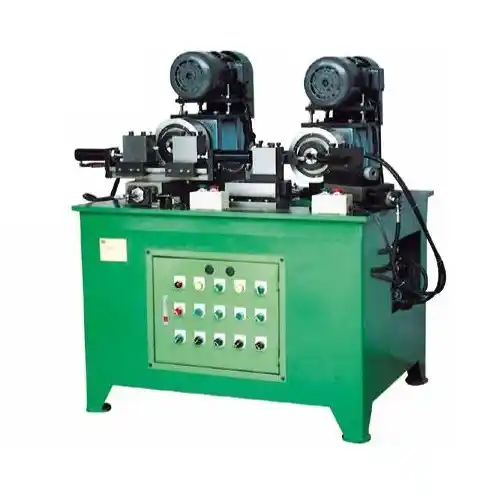
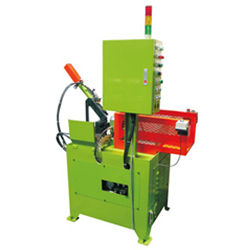
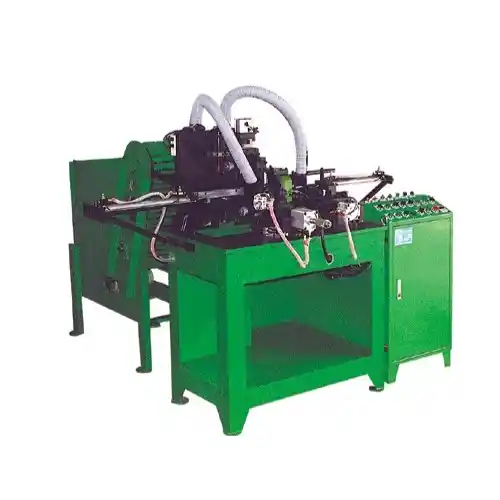
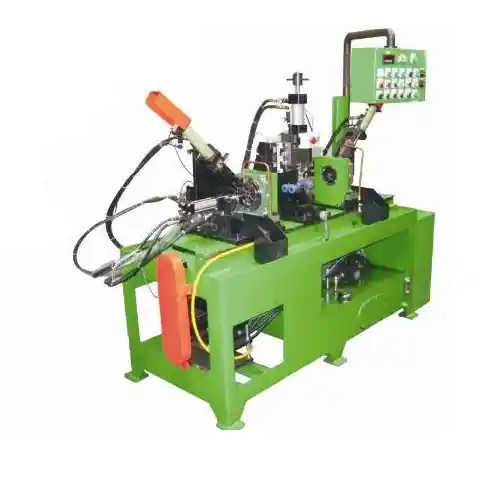
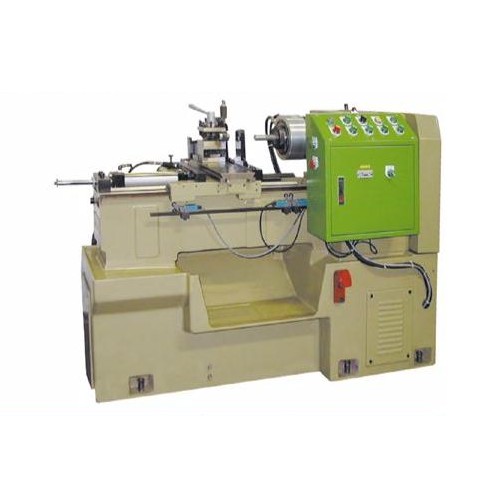
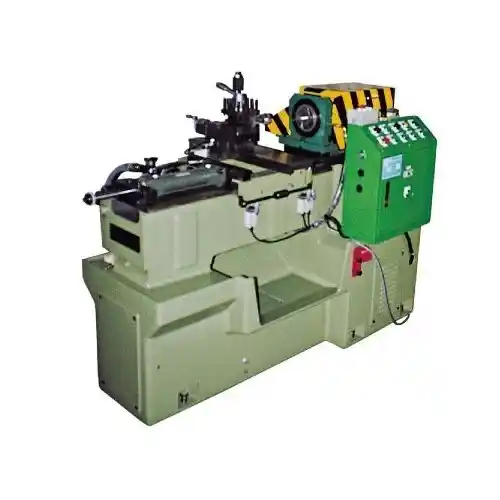
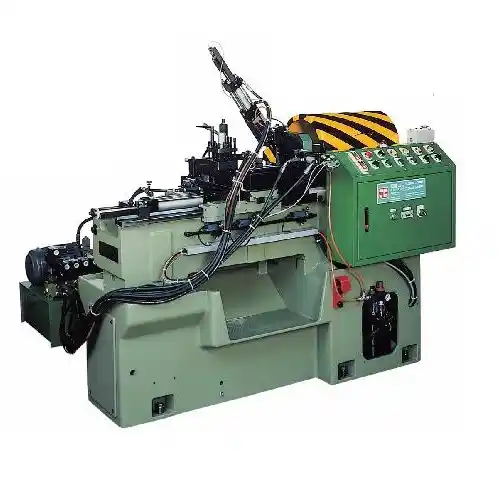
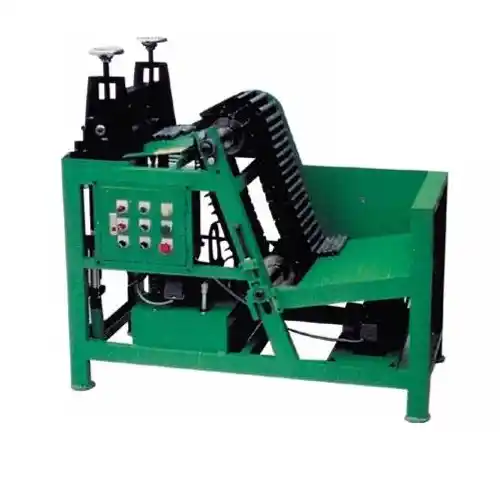
Front fork standpipe production equipment
Steerer Tube Production and Tube Forming Machine Factory Overview
- Front fork steerer tubes connect fork and frame, affecting stability and safety
- Production covers cutting, forming, welding, and precision machining
- Each stage relies on stable and properly matched equipment
- Suitable for buyers evaluating a complete steerer tube production line
Steerer Tube Production Flow and Equipment
1. Raw Tube Cutting – Metal Cutting Machines
- Starts from steel or aluminum tubes
- Uses metal cutting machines to achieve required length
- Cutting quality directly affects downstream machining accuracy
2. End Machining and Deburring – Chamfering Machines
- Removes burrs from tube ends
- Shapes inner and outer edges
- Improves welding and assembly consistency
3. Steerer Tube Forming and Expanding
- Handles expanding, necking, and special forming
- Uses hydraulic forming machines or customized equipment
- Reflects how well equipment matches bicycle geometry requirements
4. Welding and Assembly of Front Fork Components
- Combines steerer tube with other fork parts
- Includes TIG welding or brazing processes
- Ensures structural integrity of the fork assembly
5. Final Machining and Precision Processing
- Includes drilling, tapping, and threading
- Meets headset and frame interface specifications
- Uses threading machines or combined machining equipment
Line Configuration and Flexibility
- Single machines for low-volume or trial production
- Semi-automatic lines linking cutting, chamfering, and forming
- Fully automatic lines from raw tube feeding to final machining
- Supports gradual expansion based on production needs
Advantages of an Integrated Steerer Tube Production Line
1. Improved Production Efficiency
- Reduces manual handling between processes
- Enhances overall line throughput
2. Stable Machining Accuracy
- Maintains consistent dimensions across batches
- Lowers rejection rates
3. Material Compatibility
- Supports carbon steel and aluminum alloy processing
- Adapts to different product specifications
4. Flexible Production Planning
- Supports automatic and semi-automatic configurations
- Allows adjustment based on factory layout and capacity
Complete Support from a Tube Forming Machine Factory
- Covers cutting, chamfering, forming, welding, and threading processes
- Aligns equipment with actual workshop requirements
- Supports future capacity expansion and production upgrades