
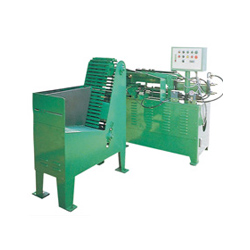
FRONT FORK STEM AUTO DOMING
Model:JD-01A
Add to inquiry
Product Specifications
|
Detail
JD-01A Hydraulic Metal Processing Machine for Steerer Tube Ends
- Designed for high-volume production of recessed front fork steerer tube ends
- Replaces manual pressing and simple hydraulic jig operations
- Provides stable and repeatable forming process for bicycle fork production
- Suitable for common bicycle steerer tube diameter ranges
- Supports integration into modern steerer tube production lines
Role of JD-01A in a Steerer Tube Production Line
- Acts as a dedicated recessed head forming station in fork production
- Integrates with tube cutting, chamfering, drilling, welding, and machining processes
- Links upstream tube preparation with downstream fork assembly
- Supports both semi-automatic and automated production layouts
Why Use a Dedicated Steerer Tube Recessed Head Machine?
- Ensures consistent recessed head forming quality
- Improves efficiency compared to manual or general hydraulic presses
- Reduces forming defects such as deformation and cracks
- Enhances overall production stability and repeatability
- Fits naturally into continuous fork production line design
What to Prepare Before Asking About JD-01A
1. Tube Diameter Range
- Specify current and future steerer tube dimensions
- Includes common bicycle fork tube sizes
- Helps define tooling requirements
2. Tube Material and Wall Thickness
- Steel, Cr-Mo steel, or stainless steel types
- Typical wall thickness specifications
- Affects forming force and tooling design
3. Target Productivity
- Required output per hour or per day
- Defines machine positioning in production line
- Supports capacity planning
4. Existing Line Layout and Conditions
- Current machine setup and workflow
- Available floor space
- Power supply and material flow considerations
5. Automation Level Planning
- Need for automatic loading or unloading systems
- Integration with inline inspection systems
- Future expansion planning for automation upgrades