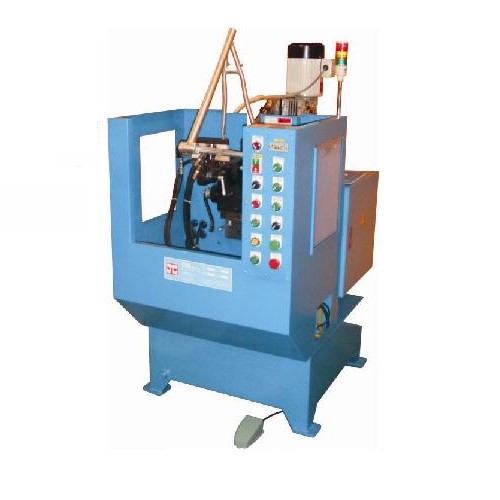
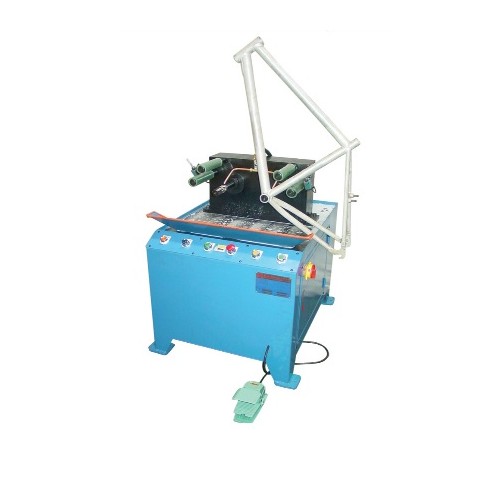
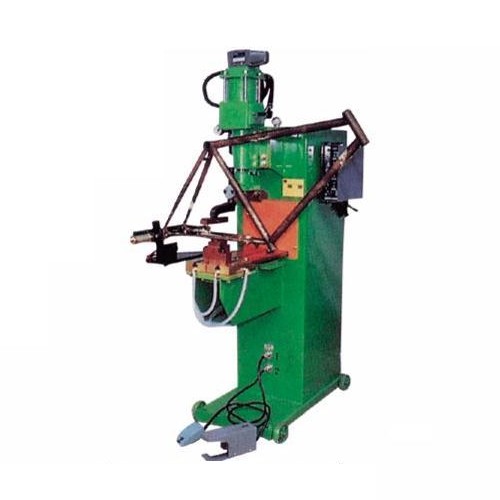
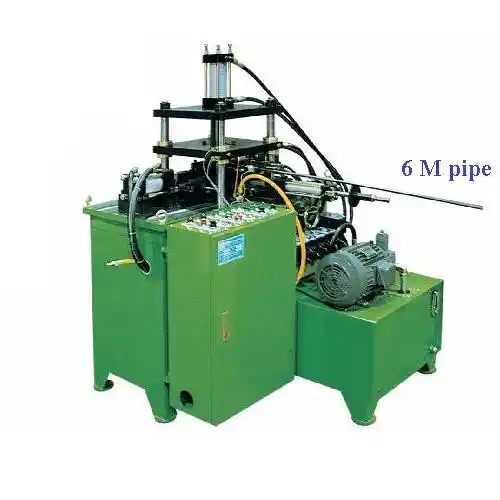
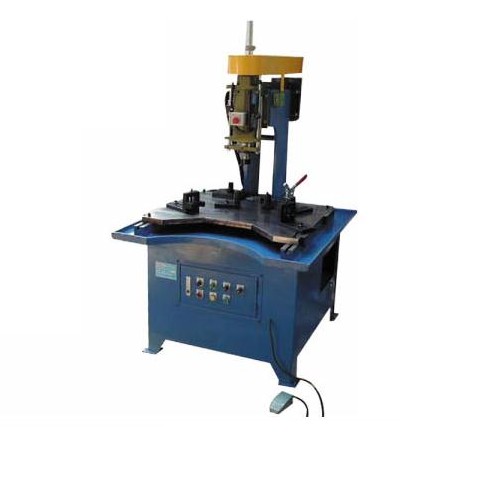
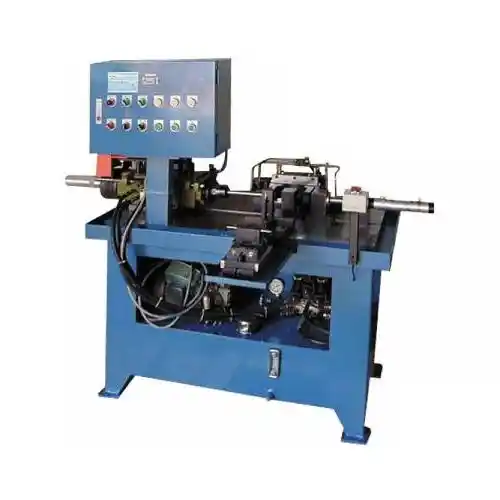
MTB and BMX frame assembly welding equipment
MTB & BMX Frame Production with a Welding Equipment Supplier You Can Talk To
- Handles heavy landings, sharp impacts, and long-term stress on frames
- Focus areas include head tube, bottom bracket, and rear triangle
- Requires stable and repeatable machining and welding equipment
- Supports consistent front triangle assembly and tube preparation
- Ensures accurate machining for head tube and bottom bracket areas
Choosing MTB & BMX Frame Assembly Equipment for Your Factory
1. For New MTB / BMX Frame Production Lines
- Front triangle assembling (JB-11A4)
- Chain stay and seat stay milling / notching (JB-17 or JB-17A plus JB-18C / JB-18D)
- Bottom bracket tapping and facing (JB-22A plus JB-24 or JB-24A)
- Head tube reaming and facing (JB-23)
- Supports full process from tube sets to final machining
2. Upgrading from City Bike to MTB / BMX Production
- Upgrade chain stay and seat stay milling / notching machines
- Improve bottom bracket and head tube machining capability
- Add fixtures for sloping top tubes and compact geometries
- Allows handling of stronger frames without rebuilding the entire line
Practical Experience from a Welding Equipment Supplier
- Experience with trail bikes, downhill bikes, and freestyle BMX frames
- Frame strength depends on both welding and tube preparation
- Combines assembly, machining, and finishing processes
- Supports consistent geometry and stable welding results
- Maintains predictable production output across shifts
FAQ
1. Can I start with only a few machines and expand later?
- Yes, many factories begin with key stations
- Typical starting points include front triangle assembling and basic machining
- Additional machines like JB-26A or JB-28 can be added later
- Supports gradual expansion based on production needs
2. What information do you need to suggest suitable machines?
- Frame drawings and tube specifications
- Material types and dimensions
- Wheel sizes and product types (MTB, BMX, or both)
- Target yearly production volume
- Current equipment and available workshop space
3. How is MTB and BMX frame machining different from city bike frames?
- Requires more clearance for wide tires and stronger braking systems
- Higher strength needed at head tube and bottom bracket
- Demands tighter control over rear triangle milling and notching
- Needs more precise facing and reaming processes
- Requires fixtures for sloping and compact frame geometries